Moving day is chaos, no matter how organized you think you are. Boxes everywhere, a truck double-parked outside, and somewhere in the middle of it all, cleaning quietly slides to the bottom of the list.
Then it’s the night before your walkthrough, and you’re scrubbing a stovetop at 11pm, or you’ve just unpacked your last box into a bathroom you’re not totally sure was ever cleaned.
Whether you’re a renter trying to get your full deposit back or a homeowner settling into (or leaving) a house, this checklist covers exactly what needs cleaning. When, so move day doesn’t turn into move-day regret.
Table of Contents
Why Move-In/Move-Out Cleaning Is Different From Regular Cleaning
A weekly clean tidies up a lived-in space. Move-in and move-out cleaning resets an entire home, empty, corner to corner, with nothing left to work around.
That’s actually what makes it harder, not easier. With no furniture in the way, every scuff, dust bunny, and forgotten spot becomes visible. Baseboards, inside cabinets, and behind appliances—none of it gets a pass just because the house looks empty.
For renters, it’s also tied directly to money: your security deposit. For homeowners, it’s tied to first impressions, whether that’s a new house you’re about to live in or one you’re handing over to a buyer or new tenant. Different stakes, same underlying job: a completely empty space, cleaned completely.
The Ultimate Move-Out Cleaning Checklist
Here’s a room-by-room breakdown of what actually needs attention before you hand over the keys.
| Room | What to Clean |
|---|---|
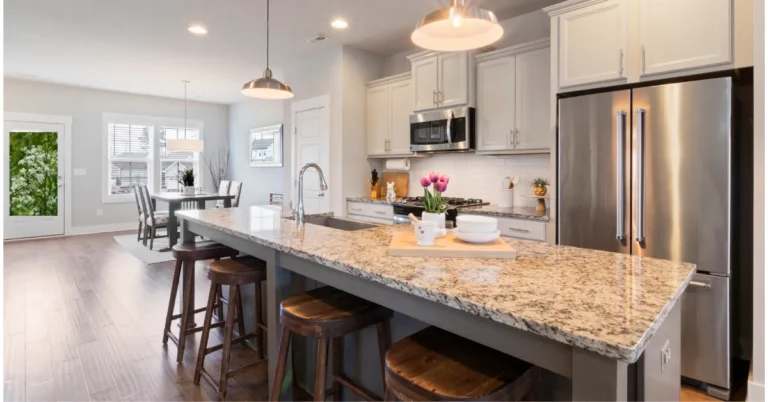
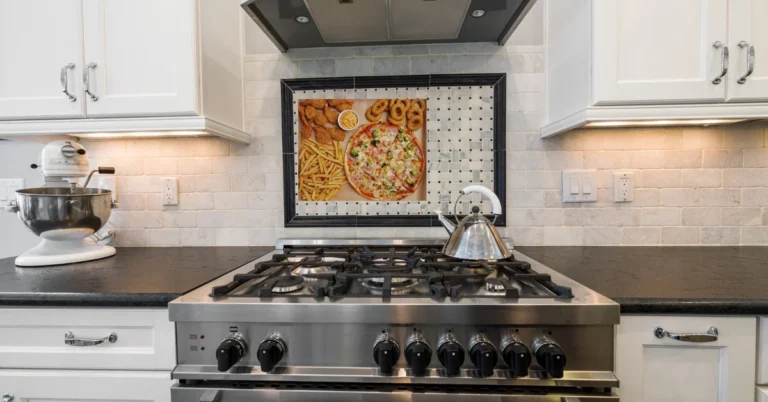
| Kitchen | Inside the oven, fridge, and cabinets; degrease the stovetop; wipe down counters and backsplash; clean the sink and faucet. |
| Bathrooms | Scrub tub, shower, and grout; disinfect toilet inside and out; wipe mirrors and cabinets; mop floor |
| Bedrooms | Wipe baseboards, closet shelves, and light fixtures; vacuum or sweep floors; clean window sills. |
| Living areas | Dust vents and ceiling fans; wipe switch plates and door frames; vacuum carpets or mop hard floors |
| Basement or garage | Sweep floors, clear cobwebs, and wipe down any built-in shelving. |
| Windows | Clean glass inside, wipe tracks and sills. |
| Overall | Remove all trash, patch nail holes if agreed, and do a final walk-through with fresh eyes |
This is the exact list that turns “looks empty” into “actually clean,” which is the difference that shows up on a landlord’s checklist or a new homeowner’s first impression.
Areas Renters and Sellers Often Forget
- Behind and under large appliances, like the fridge and stove, once they’re pulled out for the final walkthrough.
- Inside closets and pantry shelving, which collect dust even when nothing was stored on them for months.
- Ceiling fan blades and vent covers, easy to miss from the ground but obvious the moment someone looks up.
- Door tracks and window channels, where dirt builds up unnoticed until the light hits it just right.
Renters: What Your Landlord Actually Checks
Most landlords use some version of a move-in checklist to compare against when you move out. That comparison is exactly what your security deposit hinges on.
The Spots Landlords Look At First
- Inside the oven and fridge. These get checked almost every time, and grease or old food residue is one of the most common deduction reasons.
- Bathroom grout and tub. Soap scum and mildew stains are easy to spot and hard to argue with.
- Walls and baseboards. Scuff marks, dust buildup, and nail holes (if not agreed upon beforehand) all get noted.
- Carpets. Stains or embedded dirt often mean a professional carpet clean gets deducted from your deposit anyway, so having it done yourself can save money.
- Light fixtures and vents. Small, but often the first thing a landlord notices when doing a slow walkthrough.
Why This Matters for Your Deposit
New York doesn’t set a specific legal cleaning standard, but landlords generally can deduct for cleaning beyond normal wear and tear. A genuinely clean unit removes the most common reason for a dispute in the first place—no gray area, no back-and-forth, just your deposit back in full.
The Move-In Cleaning Checklist (Before You Unpack)
Here’s the thing nobody tells you: just because the last tenant or owner cleaned before leaving doesn’t mean it’s clean by your standards. Do this before boxes go anywhere near the closets.
| Room | What to Clean Before You Unpack |
|---|---|
| Kitchen | Wipe out every cabinet and drawer, clean the fridge and oven interior, and wipe down counters and backsplash. |
| Bathrooms | Disinfect the tub, sink, and toilet even if they look spotless; wipe out mirrors and cabinet interiors. |
| Bedrooms & closets | Wipe out closet shelves and drawers, vacuum or mop floors, and check corners for leftover hangers or debris. |
| Living areas | Dust vents and ceiling fans, wipe switch plates and door frames, and vacuum or mop before furniture goes in. |
| Windows | Clean glass and wipe down sills and tracks, since bright rooms show dust fast in a new space. |
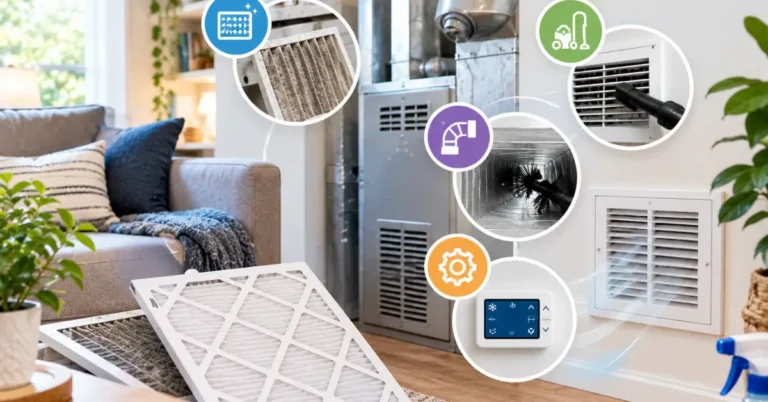
| Overall | Check vents and filters if accessible, and run water in every faucet and drain to clear out standing residue. |
Extra Steps Worth Taking Before You Settle In
- Test smoke and carbon monoxide detectors before your furniture blocks easy access to them.
- Run the dishwasher and washing machine empty once, since both can carry a musty smell from sitting unused between tenants.
- Check under sinks and behind appliances for any signs of pests or leaks before you unpack anything nearby.
- Wipe down light switches and doorknobs, some of the most touched surfaces in any home and easy to overlook.
Quick tip: clean room by room in the order you’ll unpack, kitchen and bathroom first, then bedrooms. It keeps cleaning from turning into a scattered, half-finished mess mixed in with unpacking.

Homeowners: Getting a Home Ready to Sell or List
If you’re moving out of a home you own, whether it’s headed to new owners or new tenants, the cleaning standard actually goes up, not down.
Buyers and their agents check everything during the last visit. A dusty light fixture or a grimy stovetop can plant doubt about how well the rest of the house was maintained, even if that’s not really true. First impressions carry a lot of weight in a walkthrough.
What Gets Extra Attention When Selling
- Kitchens and bathrooms, since they’re the rooms buyers scrutinize the hardest
- Windows, inside and out, since natural light makes a huge difference in how a room photographs and feels
- Basements, especially checking for any musty smell or visible dust that could raise moisture concerns
- Entryways, since it’s the very first thing anyone sees walking in
A genuinely clean, fresh-smelling home doesn’t just look better in photos. It photographs and shows better in person too, which matters for both a faster sale and a smoother move-in for whoever comes next.
Common Mistakes That Cost Renters Their Deposit
These are the slip-ups we see most often, and every single one of them is avoidable with a little planning. None of them come from laziness either; they’re just easy to miss when you’re juggling boxes, a truck schedule, and a dozen other moving-day details at once.
Cleaning the Night Before
A rushed, late-night clean means missing spots you’d catch with fresh eyes and more time. Start at least a few days ahead, even if it’s in short sessions.
Forgetting the Inside of Appliances
A spotless countertop next to a greasy oven interior is one of the most common deposit deductions. Landlords check inside, not just around.
Skipping Baseboards and Vents
They’re low, they’re easy to miss, and they’re exactly the kind of detail that separates a “pretty good” clean from one that holds up to scrutiny.
Not Documenting the Final Condition
Taking dated photos of every room after cleaning protects you if there’s ever a dispute about the unit’s condition at move-out. It takes five minutes and can save a real argument later.
Assuming “Looks Clean” Is the Same as “Is Clean”
An empty room can look clean at a glance while still having dust on top of cabinets, grime in corners, or a faint smell that lingers. A methodical, room-by-room approach catches what a quick glance misses.
Tips to Make Move-Day Cleaning Actually Manageable
- Clean before the truck arrives, not after. An empty room is far easier to clean than one you’re navigating around boxes in.
- Work top to bottom, room to room. Dust and debris fall as you clean, so ceilings and shelves first, floors last.
- Pack a “clean last” bag with your basic supplies so they’re not buried in a box somewhere when you need them most.
- Break it into sessions if the whole place at once feels overwhelming. A room a day over a week beats one exhausting marathon.
- Bring in help for the parts you’ll skip anyway. If oven interiors or grout lines are the tasks you know you’ll rush through, that’s exactly where a professional move-out clean earns its cost back.
Supplies Worth Having on Hand
- An all-purpose cleaner and a degreaser for kitchens
- A grout brush and bathroom-specific cleaner
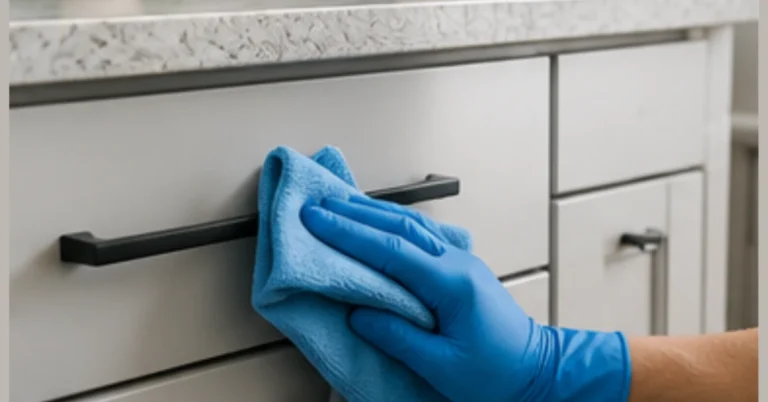
- Microfiber cloths for dust and streak-free wiping
- A vacuum with attachments for baseboards and vents
- Trash bags, plenty of them
Frequently Asked Questions
What We Serve in Rocester and Nearby Cities
Move-in and move-out cleaning is one of the most requested services we handle in Rochester, and it makes sense why. Moving is already a full-time job for a few weeks, and cleaning is usually the task that gets pushed to the very end, when you have the least energy left for it.
Whether you’re a renter trying to protect your deposit or a homeowner getting a house ready to list. Our team handles the deep-clean details that make the biggest difference: appliance interiors, bathroom grout, baseboards, vents, and every corner that’s easy to miss when you’re exhausted and racing a deadline.
Here’s how we can help:
- Move-Out Cleaning Services — a full deep clean of your old space, built around what landlords and new tenants actually check.
- Move-In Cleaning Services — start fresh in a home that’s genuinely clean, not just recently vacated.
- Recurring House Cleaning — once you’re settled in, keep the new place looking the way it did on day one.
- Basement Cleaning Services — for basements and storage areas that need extra attention during a move.
Before hiring you can also read our guide on how to choose a home cleaning service for better understanding.
Insured, Bonded, Guaranteed
We’re insured, bonded, and trusted by homeowners and renters across Rochester. Every clean comes with the same guarantee: if something’s not right, we’ll come back and make it right.
Ready to book your move-in or move-out clean? Call us or reach out online, and we’ll get you on the schedule.