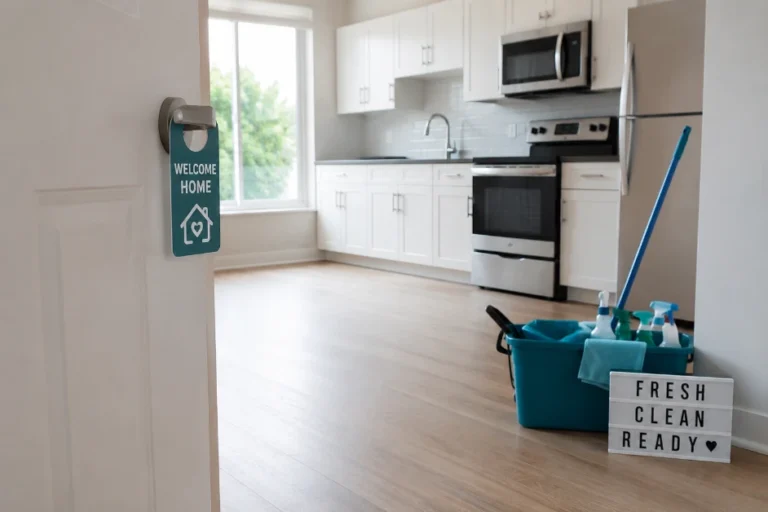
The kitchen is the heart and one of the busiest areas in any home. It is a place in your home where you make food, store food, and spend some time with your family. Your kitchen use daily and becomes dirty, and your kitchen requires regular cleaning to prevent the build up of dirt, grease and harmful The kitchen cleaning list is very essential for everyone.
If you don’t clean your kitchen daily, the harmful bacteria can accumulate on different surfaces, creating an unhealthy environment. This is why having a kitchen cleaning checklist is very important. Your kitchen washing also improves the appearance of the kitchen and makes daily cooking more enjoyable.
Table of Contents
What is The Cleaning Checklist for The Kitchen?
A deep cleaning kitchen checklist is a systematic list designed to break down cookroom maintenance into daily, weekly, and monthly tasks to ensure maximum hygiene and efficiency. Using a structured list helps maintain food safety, prevents deep-grime buildup, and keeps cooking spaces organized
That is exactly why a realistic cleaning list is a lifesaver. Instead of letting chores pile up until they require an entire weekend to fix, breaking them down into small, manageable routines makes maintenance effortless. This guide is designed to take the guesswork out of the grind, helping you keep your cooking space fresh, organized, and welcoming every single day.
Let’s dive in and explore the kitchen cleaning mastery.
What is a Daily Kitchen Cleaning Checklist?
1. Clear and wipe counters:
- Clear clutter off the counters
- Use a surface-safe disinfectant.
2. Wash the dishes:
- Don’t let them pile up in the sink overnight.
3. Clean the sink:
- Scrub the basin and wipe down the faucet.
- Rinse away food particles.
4. Sweep the floor:
- Catch crumbs before they track into the other rooms.
5. Empty the trash:
- Especially if it contains food scraps.
Why Is It Important to Clean the Kitchen Daily?
Daily maintenance prevents grime from baking onto your surface and saves you from hours of deep cleaning later. Spend 15-20 minutes every evening on these essential steps. This prevents the surface area from dirty and harmful bacteria that cause the disease.
Read our full guide and know how often should you deep clean your kitchen?
What is the Weekly Kitchen Cleaning Checklist?
One day in a week, you should dedicate about an hour to tackling the grime that accumulates in your cooking area.
1. Purge and Wipe the Refrigerator
Before you do your weekly grocery shopping, clean out the fridge.
- Toss expired leftovers, wilted produce, and past-date condiments.
- Wipe down shelves where sticky jars or spills have left marks.
- Wipe the exterior handles, which are touched constantly throughout the week
2. Sanitize High-Touch Surfaces
- Disinfect cabinet handles, drawer pulls, light switches, and appliance buttons.
- Sanitize your phone or tablet if you use it for recipes while cooking.
3. Clean the Microwave
- Place a microwave-safe bowl filled with water and a few lemon slices inside.
- Microwave on high for 3-5 minutes until steam fills the interior.
- Let it sit 2 minutes, then easily wipe away loosened food splatters with a cloth.
4. Deep Clean the Floor
- Vacuum or thoroughly sweep the entire kitchen floor, including under the edges of cabinets.
- Mop the floor using a cleaner suited to your floor type (tile, wood, or laminate).
5. Refresh Sponges and Dish Towels
- Toss wooden dish towels, aprons, and microfiber cloths into the washing machine.
- Replace or sanitize your kitchen sponges.
What is a Monthly Kitchen Cleaning Checklist?
Monthly tasks target hidden grease, dust buildup, and major appliances that work hard to keep your kitchen running.
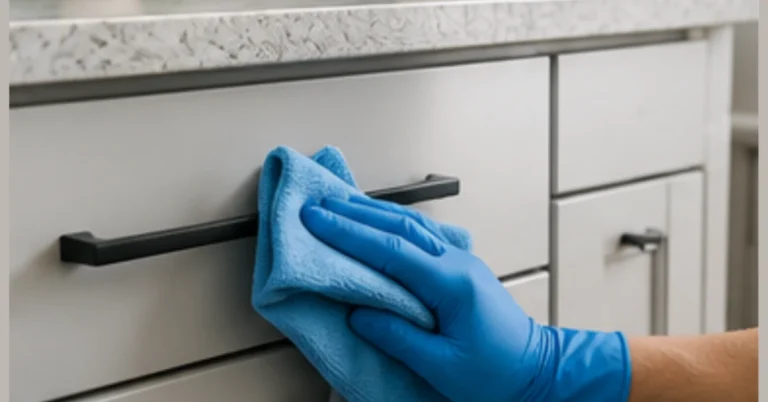
1. Degrease Cabinet Exterior
- Cooking oils float through the air and settle on cabinet doors, creating a sticky film that attracts dust.
- Mix warm water with a grease-cutting dish soap.
- Wipe down all cabinet faces, moldings, and frames.
- Dry with a clean swab to prevent moisture damage.
2. Deep Clean the Oven
- If using the self-cleaning function, remove the racks first.
- Alternatively, apply a paste of baking soda and water to the interior (avoiding the heating element).
3. Sanitize the Garbage Disposal
- Drop a few ice cubes and lemon slices into the disposal and run it with cold water to sharpen the blades and eliminate bad smells.
- Alternatively, use baking soda followed by vinegar to fizz away sludge.
What is the Seasonal Checklist for Cleaning the Kitchen?
Quarterly cleaning is also beneficial like the above cleaning lists.
Spring
The great refresh: Focus on degreasing and clearing out winter dust.
Wash the Windows and Screens: Let that spring sunshine in. Wipe down sills and tracks where dead bugs and dust collect.
Deep Clean the Oven: Use the self-clean cycle or an overnight baking soda paste to tackle baked-on grease.
Empty and Clean the Refrigerator/Freezer:
- Extract all shelves and drawers; wash them in mild hot and soapy water.
- Check expiration dates on condiments and frozen items (toss anything past its prime)
- Vacuum the refrigerator condenser coils (usually located at the bottom or back) to keep it running efficiently.
Wipe Down Walls and Baseboards:
- Focus on areas near the stove and trash can where splatters happen.
Summer
Odour and Pest Control: Focus on sanitizing and preventing bugs or smells during the hotter months.
Sanitize the Trash and Recycling Bins: Take them outside, hose them out with bleach or dish soap, and let them dry completely in the sun.
Freshen the Garbage Disposal: Grind up ice cubes and lemon peels, or use a baking soda and vinegar flush to kill odors.
Clean the Dishwasher Filter: Remove the bottom filter, rinse away trapped food particles, and run a cycle with a dishwasher cleaner or a bowl of vinegar.
Inspect and Clean Small Appliances: Wipe down the microwave inside and out, descale the coffee maker, and empty the toaster’s crumb tray.
Autumn
Focus on organizing and preparing for heavy cooking and hosting seasons.
Purge and Organize the Pantry:
- Check expiration dates on baking goods, canned items, and spices.
- Wipe down shelves before restocking.
Clean Cabinet Interiors and Exteriors:
- Wipe down doors (especially around the handles) and clean inside drawers where crumbs accumulate.
Clean the Range Hood & Filter:
- Soak the mesh grease filters in hot, soapy water (or run them through the dishwasher if safe) and wipe down the hood.
Inventory Cookware & Bakeware:
- Donate items you don’t use and ensure your holiday roasting pans and pie dishes are clean and accessible.
Winter
Focus on indoor details and high-touch areas while spending more time inside.
Grout Deep Clean:
- Scrub tile backsplashes or floors with a grout cleaner or a baking soda paste to brighten them up.
Sanitize High-Touch Points:
- Deep clean light switches, cabinet pulls, appliance handles, and faucet fixtures.
Pull Out Large Appliances:
- Carefully pull out the stove and refrigerator to vacuum and mop the forgotten floor space behind them.
Seal Countertops (If Applicable):
- If you have granite, quartz, or butcher block counters, winter is a great time to apply a fresh layer of sealant.
Kitchen Cleaning Tools—Get Ready to Sanitize Your Galley
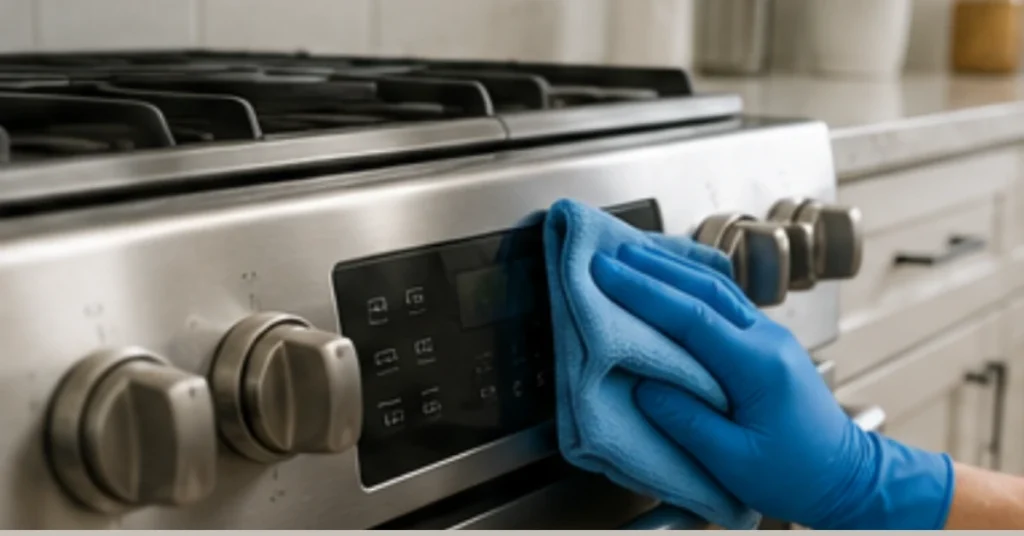
Common kitchen cleaning tools include a sponge, scrub brush, microfiber cloths, dish soap, all-purpose cleaner, broom and dustpan, mop, rubber gloves, and a trash can liner.
Scrubbing & Wiping
Microfiber Cloths: The absolute gold standard. They trap dust and grease without scratching surfaces and can be washed and reused hundreds of times.
Non-Scratch Cellulose Sponges: Great for daily dishwashing and wiping down countertops. Look for dual-sided ones (soft sponge on one side, gentle scrub pad on the other).
Scrub Brushes
Heavy-duty brush: For baked-on grime on pots or oven racks.
Detail/Grout brush: An old toothbrush works perfectly here for cleaning tight corners, sink rims, and faucet bases.
Bottle brush: Essential for deep travel mugs and blenders.
Deep Cleaning & Scraping
Stainless Steel Wool / Chainmail Scrubber: Essential for cast iron skillets and stubborn, uncoated stainless steel pots. (Never use these on non-stick pans!).
Plastic Pan Scraper: A cheap, rigid plastic square that easily scrapes off burnt-on food from pans and ceramic cooktops without scratching.
Pumice Stone: Specifically useful for tackling baked-on grease and carbon stains inside ovens or on grill grates.
Floors & Large Surfaces
Spray Mop: Perfect for quick kitchen spills. You can fill the canister with your own water-and-vinegar mix or preferred floor cleaner.
Broom and Dustpan (or Stick Vacuum): Kitchen floors catch a lot of crumbs. A quick daily sweep or vacuum stops dirt from being traced through the house.
Squeegee: If you have large windows or a glass backsplash, a small squeegee keeps them streak-free.
Protection & Organization:
Rubber Cleaning Gloves: Protect your hands from harsh chemicals, hot water, and drying out.
Spray Bottles: Keep a few heavy-duty glass or plastic spray bottles on hand to mix your own DIY cleaners (like diluted vinegar or rubbing alcohol solutions).
What are the Trending Cleaning Methods for the Kitchen?
Trending kitchen cleaning methods focus on faster, safer, and more effective maintenance. Popular approaches include steam cleaning for deep sanitation, microfiber cleaning for dust and grease removal, eco-friendly cleaning products, disinfecting high-touch surfaces, degreasing cooking areas, and routine maintenance cleaning to prevent buildup and keep kitchens fresh.
Here are the top trending methods making kitchen maintenance effortless
Steam Cleaning over Scrubbing:
Using dedicated steam cleaners or creating DIY steam chambers has taken over. For example, microwaving a bowl of water with lemon slices for 3 minutes creates a steam effect that instantly loosens baked-on grease, allowing you to simply wipe it away without scrubbing.
The “Clean-As-You-Cook” Rhythm:
Rather than facing a mountain of dishes post-meal, the current top trend is active tidying. Wiping counters, rinsing cutting boards, and soaking pans while waiting for water to boil or food to roast keeps messes from hardening.
Pantry-Based Degreasing:
Relying on inexpensive, non-toxic staples like baking soda, white vinegar, and dish soap remains incredibly popular for the majority of surface messes, keeping the kitchen chemical-free and safe for food prep.
Polishing with Kitchen Staples:
Unconventional polishing trends include using a few drops of olive oil to buff and shine stainless steel appliances, or using flour to buff a freshly cleaned stainless steel sink to a high gleam.
Dishwasher Optimization:
People are maximizing their dishwashers by running empty cycles with a bowl of vinegar to descale the machine, and using the appliance to clean non-traditional items like refrigerator shelves and plastic organizing bins.
What are the Tips for Cleaning a Kitchen?
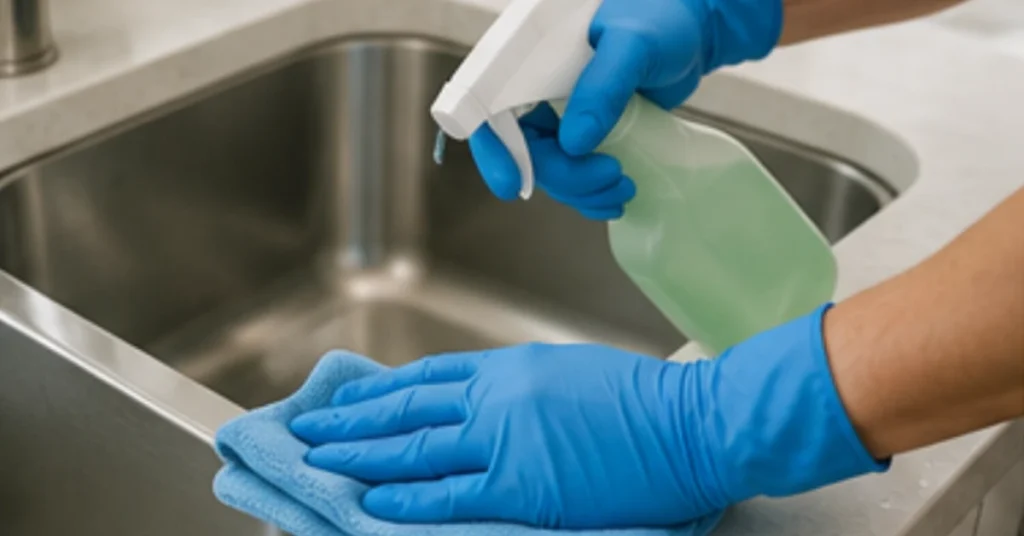
Clean from top to bottom, wipe spills quickly, disinfect frequently touched surfaces, remove grease regularly, and mop floors last to keep your kitchen cleaner and reduce buildup.
Daily Essential Habits
Clean as you go: Wash prep bowls, knives, and cutting boards while dinner is simmering so you aren’t left with a mountain of dishes later.
The “One-Wipe” rule: Wipe down countertops, the stovetop, and the sink every single night after dinner.
Empty the sink: Don’t let dishes sit overnight. A clear sink instantly makes the whole room feel cleaner.
Deep-Cleaning Hacks
The Microwave Steam Trick: Place a bowl of water with a few lemon slices inside and microwave it for 3 minutes. Let it sit for another 5 minutes before opening; the steam will loosen caked-on food so you can wipe it away effortlessly.
Deodorize the Garbage Disposal: Drop in a few leftover lemon or lime peels and run the disposal with cold water to instantly freshen it up.
Revive the Sink: Sprinkle baking soda over a damp stainless steel sink, scrub gently, then rinse with vinegar for a brilliant shine and disinfection.
Organization Strategies
Clear the counters: Store rarely used appliances (like blenders or food processors) in cabinets to maximize your workspace and make daily wiping easier.
The “First In, First Out” fridge rule: Every time you put away groceries, move older items to the front so they get used before they spoil.
Professional Kitchen Cleaning You Can Trust
If keeping up with kitchen cleaning feels overwhelming, you can hire our professional cleaning team for reliable support. Bright Nest Cleaners handle the deep kitchen cleaning, grease removal, surface disinfection, and complete maintenance so your kitchen stays clean, fresh, and hygienic. Our service is designed to save your time and reduce daily cleaning stress, giving you a consistently clean kitchen without the effort.
Wrap Up
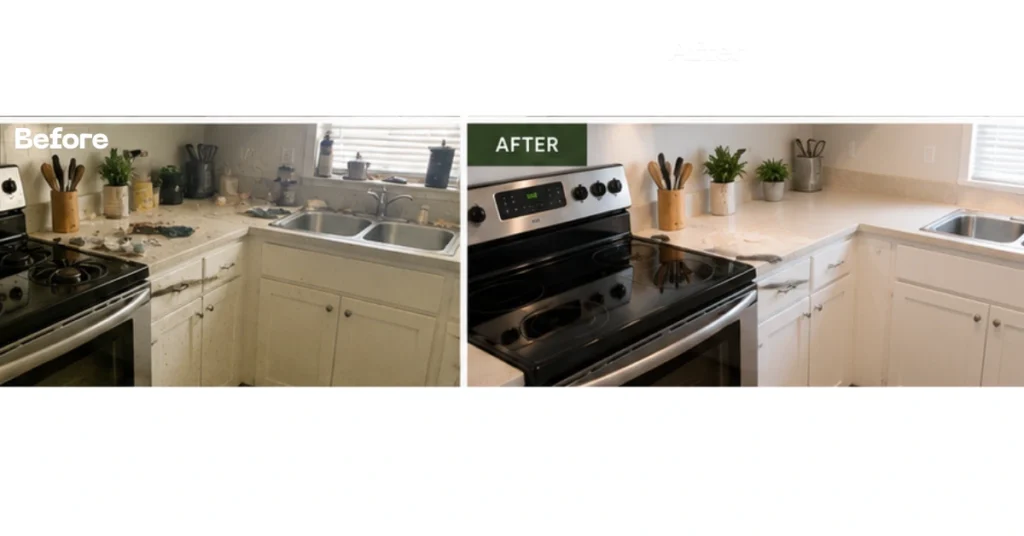
Our explained kitchen cleaning checklist is the ultimate tool for you in maintaining a hygienic, organized, and efficient cooking space while preventing overwhelming deep-cleaning sessions. By breaking tasks down into realistic daily, weekly, and monthly routines, you protect your health and time, extend the lifespan of your appliances, and make daily meal prep much more enjoyable.